
Travel Industry – Opportunities for Mystery Shopping
When customer reviews are everywhere, what can Mystery Shopping still tell us?
The travel industry is surrounded by customer feedback. Hotels, airlines, tour operators and other travel businesses receive reviews through Google, TripAdvisor, Booking.com and countless other channels. Research confirms that these reviews matter: ratings influence customer decisions.
It is therefore understandable that some travel companies may question the need for Mystery Shopping. Why pay someone to evaluate the customer experience when thousands of real customers are doing it every day?
The answer may be to stop trying to use Mystery Shopping to replicate what online reviews already do well and focus on what reviews usually cannot tell us.
There are two areas that really stand out here: Additional Sales and Safety.
Additional Sales - The sale that never happened
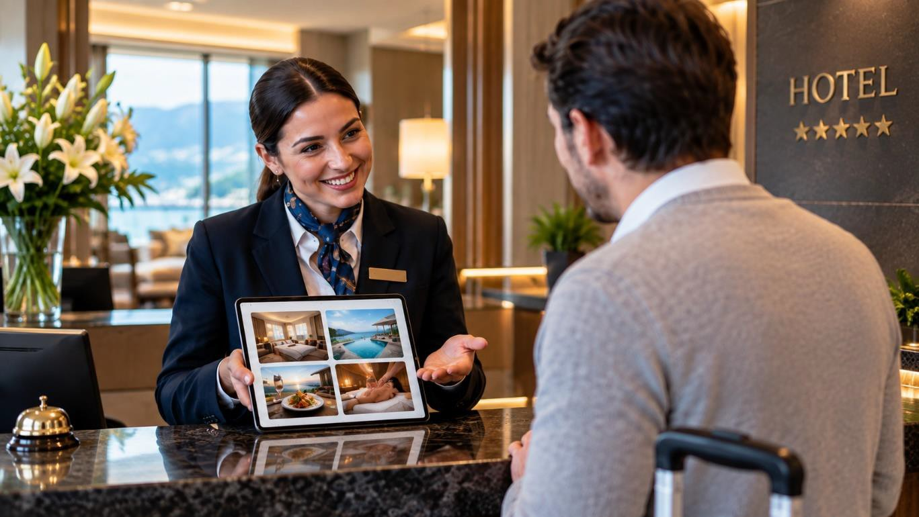
Online reviews can tell a hotel that its receptionist was friendly, the room was clean and breakfast was excellent, but they rarely tell management what wasn't offered.
- Was the guest offered a room upgrade?
- Was the spa mentioned?
- Did reception suggest dinner at the hotel restaurant?
- Were tours, transfers or late checkout offered?
The same questions do apply throughout the whole travel industry.
Airlines have upgrades, baggage, seat selection and other products. Tour operators can sell additional excursions, seat reservations and other experiences. Car rental companies have vehicle upgrades and additional services. These additional sales can represent significant revenue boost.
The question for management is not whether these products exist, but whether employees are actively offering them to customers when appropriate. That is difficult to see through online reviews.
Mystery Shopping can specifically measure whether employees offer upgrades and additional services, explain their benefits and follow a set sales process. This turns Mystery Shopping into more than a customer-service measurement. It becomes a revenue assurance tool.
A company may have excellent online ratings while still losing substantial potential revenue because additional products and services are inconsistently offered. Mystery Shopping can expose that invisible gap.
Safety – It´s too late to act after something has happened
The second opportunity is very different, potentially even more important, and that´s Safety.
Travel companies often provide services far away from their management teams. A tour company's head office may be in Reykjavík while a driver is taking passengers through the countryside hundreds of kilometres away and hotel group may operate properties across several countries.
Mostly all companies have procedures, manuals, training and reporting systems regarding customer safety, but how does management know what actually happens when nobody from head office is there?
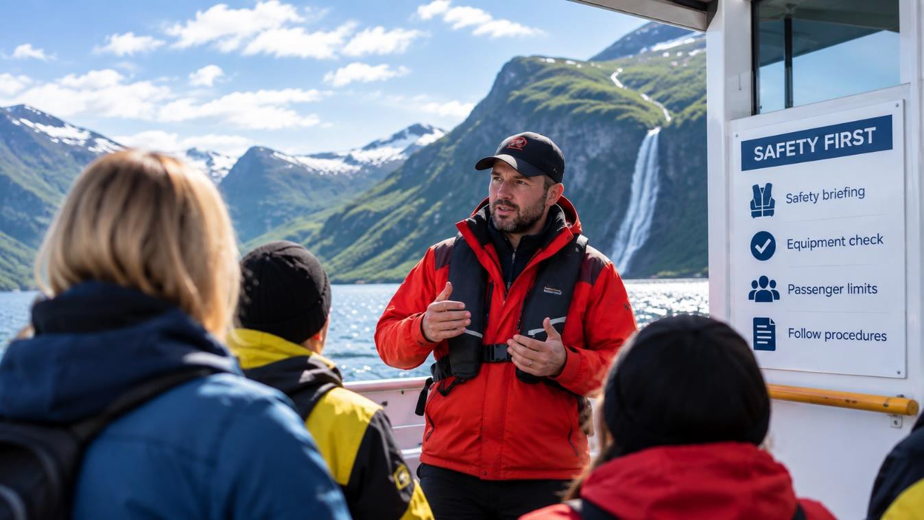
- Was the required safety briefing given?
- Were passengers told to use seat belts?
- Was the necessary safety equipment available?
- Were passenger limits followed?
- Did staff follow the company's procedures before departure?
- Were local regulations and internal standards respected?
These are not necessarily things customers mention in reviews. In fact, customers may not even know that something was seriously wrong. The customer can therefore leave a five-star review after a wonderful tour while an important safety procedure was never carried out, and a real danger was always present.
A positive customer experience does not automatically mean that procedures were followed correctly and discovering weaknesses only after an accident occurs is obviously too late.
This is where Mystery Shopping can provide another layer of protection. A Shopper travels as an ordinary customer and observes whether selected safety procedures are being followed.
Mystery Shopping should, of course, never replace professional safety audits, regulatory inspections or formal Safety Management Systems. But it can complement them.
There is also one important advantage to the mystery approach. When an inspector or senior manager arrives, employees know they are being observed. A Mystery Shopper sees the operation when staff believe they are serving an ordinary customer.
For management, that answers a valuable question: What happens when nobody thinks we are watching?
Reviews and Mystery Shopping measure different things
The opportunity is therefore not to position Mystery Shopping as an alternative to online reviews. Both have value, but they answer different questions.
- Online reviews tell us:
What did our customers think about their experience?
- Mystery Shopping can tell us:
Did our employees do what we expected them to do?
One hotel can have a 4.8-star rating while employees rarely offer room upgrades and therefore loses income. Another one can have 4.0-star rating but is much more effective when it comes to additional sales.
A tour operator can receive excellent reviews while safety briefings are inconsistently delivered, and accidents are just waiting to happen.
A great opportunity for Mystery Shopping
I believe Mystery Shopping in the travel industry needs a different purpose. That has been my experience, especially after the COVID19 outbreak.
Rather than primarily measuring smiles, greetings and cleanliness – something companies already receive huge amounts of customer feedback – programmes can focus on things that normal reviews rarely identify.
- Revenue: Are employees actively maximising appropriate additional sales?
- Safety: Are customer-facing safety procedures being followed when no one is watching?
- Compliance: Are company standards being consistently implemented across locations?
For travel companies, these are not just questions about customer satisfaction. They concern revenue and real risk factors. Online reviews have transformed the way the travel industry understands its customers, but they cannot tell management everything.
A personal experience this summer, I travelled by bus from an airport into the city centre. I was not reminded to wear my seatbelt. When checking into the hotel, I was not offered a spa access nor to book a table at the hotel restaurant, even though the hotel offered both. Thinking back, I never mentioned this in my reviews.
Sometimes the most important thing to know is not what the customer noticed.

By Birkir Eglis, Customer Success Manager (CSM) at Better Business Iceland